



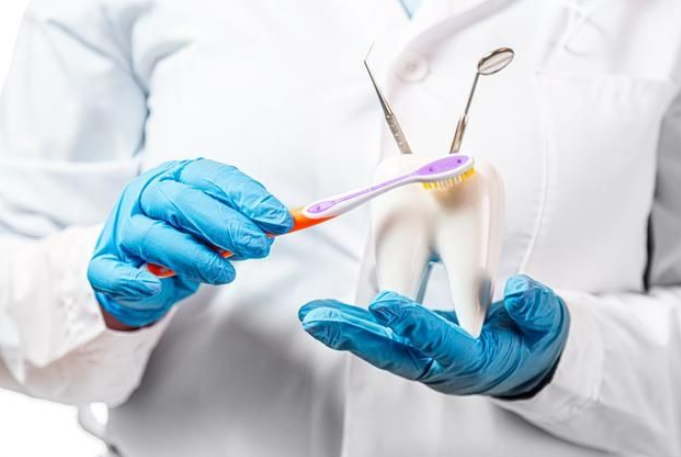
Tooth loss can affect more than just your smile. It can influence eating habits, speech, and even self-confidence. While tooth loss may happen due to injury, decay, or aging, there are reliable solutions that can restore both function and aesthetics. Maintaining oral health after losing a tooth is equally important to prevent further complications. Long-term solutions focus on durability, comfort, and natural appearance, ensuring you can enjoy life without worrying about missing teeth.
Tooth Extraction And Its Role In Oral Health
Tooth extraction is the removal of a damaged or decayed tooth that cannot be saved. While it may sound drastic, it is sometimes necessary to prevent infections and preserve surrounding teeth. After extraction, the jawbone may weaken over time if the gap is not addressed. This makes long-term maintenance crucial. Proper healing and timely replacement options can minimize bone loss and keep your mouth healthy.
Dental Implants As A Permanent Replacement Option
Dental implants are artificial tooth roots made of titanium that support replacement teeth. They offer a long-term solution that closely mimics natural teeth in both function and appearance. Implants prevent bone loss by stimulating the jaw, maintaining facial structure. With good oral hygiene, dental implants can last decades. Choosing implants after a tooth extraction ensures that gaps are filled efficiently and reduces the risk of further dental complications.
Bridges And Dentures For Short-Term To Mid-Term Use
While dental implants provide a permanent solution, bridges and dentures can be effective alternatives in the short to mid-term. Bridges connect adjacent teeth to fill the gap, while dentures replace multiple missing teeth. Both options help restore chewing ability and aesthetics. However, they require regular adjustments and maintenance. Understanding the role of these solutions can guide patients in planning for future dental implants or other long-term treatments.
Bone Grafting And Jaw Maintenance Post Tooth Extraction
After a tooth extraction, bone grafting may be recommended to maintain jaw density. Bone grafts provide a foundation for future dental implants and prevent facial sagging. Maintaining jaw health is critical for long-term success with implants. Regular check-ups ensure that the bone remains strong and capable of supporting replacement teeth. This proactive approach preserves oral structure and prevents complications down the line after a tooth extraction.
Daily Care And Hygiene For Long-Term Dental Health
Consistent oral hygiene is essential after tooth loss, whether you have implants, bridges, or dentures. Brushing twice daily, flossing, and using antimicrobial rinses keep gums and remaining teeth healthy. Regular dental check-ups detect issues early and allow timely interventions. Maintaining hygiene around dental implants is particularly important to prevent peri-implantitis, which can compromise the longevity of the implant.
Lifestyle Choices That Support Tooth And Implant Longevity
Diet, smoking habits, and overall health significantly impact dental longevity. Avoiding hard foods, limiting sugary snacks, and quitting tobacco all contribute to lasting results. Nutrient-rich diets help strengthen the bone and surrounding tissue. Healthy habits complement professional treatments, ensuring that solutions like dental implants remain effective for years.
Conclusion
Long-term solutions for tooth loss combine professional dental interventions with diligent maintenance and healthy habits. Tooth extraction, when necessary, sets the stage for restorative options like dental implants that provide durable and natural replacements. Supporting these treatments with proper care, bone maintenance, and lifestyle adjustments ensures oral health and a confident smile for the long term.